Wheel Alignment - Everything You Need To Know
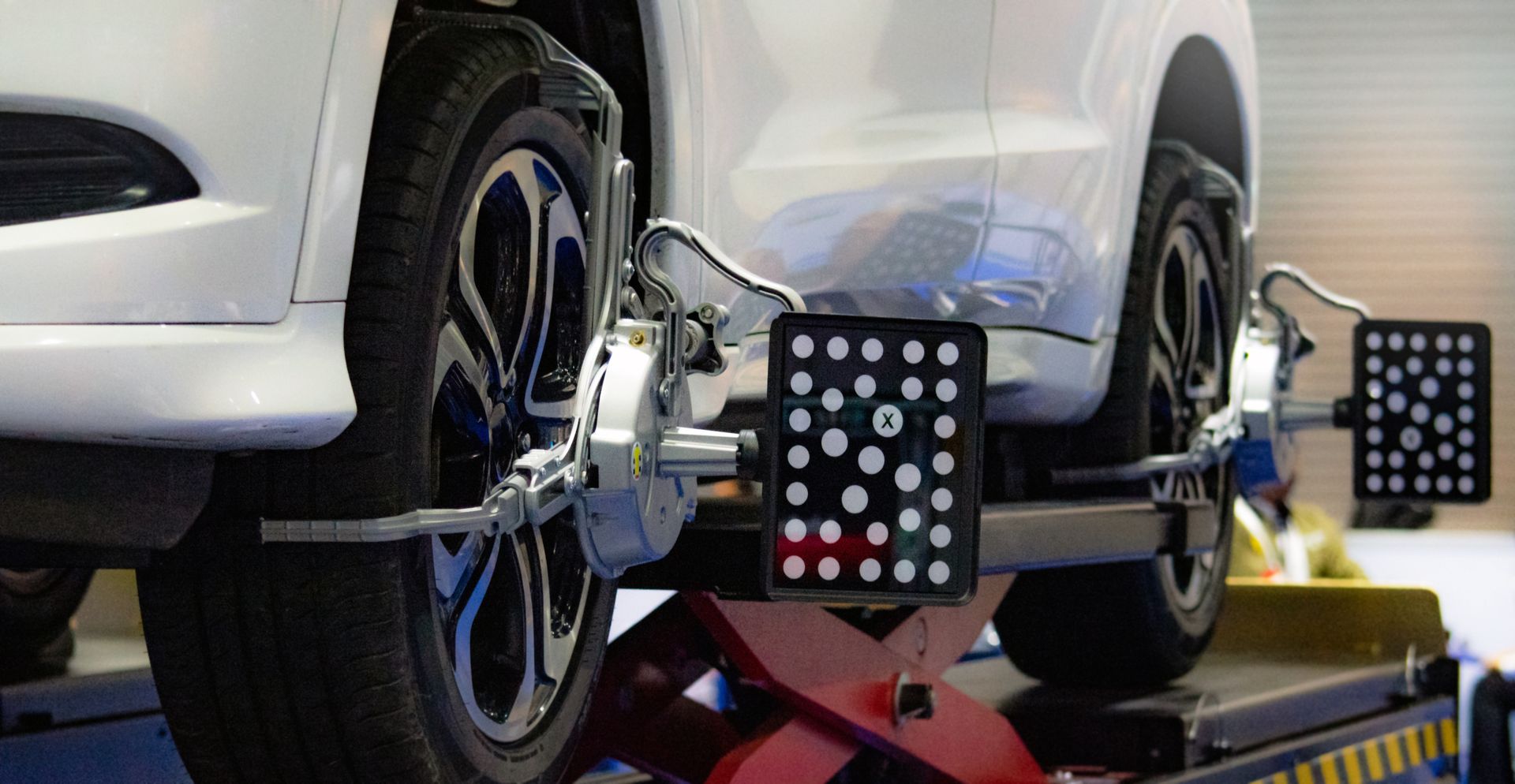
Have you ever wondered why your car seems to pull to one side, or why your tires wear unevenly? The answer may lie in your vehicle's alignment. Proper wheel alignment is essential for maintaining optimal handling, tire wear, and overall vehicle performance.
The Importance of Alignments
Alignment refers to the adjustment of a vehicle's suspension components to ensure that all four wheels are positioned correctly relative to each other and the road surface. Proper alignment helps your car maintain straight-line stability, improves handling and cornering ability, and reduces tire wear. Without proper alignment, your vehicle may experience issues such as uneven tire wear, steering pull, and decreased fuel efficiency.
Proper Wear and Tear on Tires
One of the most noticeable effects of poor alignment is uneven tire wear. When your wheels are not properly aligned, they exert uneven pressure on the tires, causing certain areas of the tread to wear down more quickly than others. This uneven wear can manifest as cupping, feathering, or bald spots on the tires, and can significantly reduce their lifespan. Regular alignments can help ensure that your tires wear evenly, saving you money on premature tire replacement.
Avoiding Early Tire Replacement
Neglecting wheel alignment can lead to costly consequences, including early tire replacement. When tires wear unevenly due to poor alignment, they may need to be replaced prematurely, costing you both time and money. By investing in regular alignments, you can extend the life of your tires and maximize their performance and safety on the road.
When Should You Get New Tires
Knowing when to replace your tires is essential for maintaining optimal safety and performance. While tire wear is a natural part of driving, certain signs indicate that it's time for new tires. These signs include:
Tread Depth
As tires wear down, their tread depth decreases, reducing traction and increasing the risk of hydroplaning. It's recommended to replace tires when the tread depth reaches 4/32 of an inch or less.
Visible Damage
Cracks, bulges, and punctures in the tire sidewall can compromise tire integrity and safety. If you notice any visible damage to your tires, it's best to have them inspected by a professional and replaced if necessary.
Age
Even if your tires appear to have plenty of tread remaining, age can impact tire performance and safety. Tires should typically be replaced every 6-10 years, regardless of tread depth, to prevent issues such as dry rot and sidewall cracking.
Additional Maintenance Tips From The Pros
In addition to regular alignments and timely tire replacement, there are several maintenance tips you can follow to maximize the longevity of your tires:
Proper Tire Inflation
Maintaining proper tire pressure ensures even wear and optimal fuel efficiency. Check your tire pressure regularly and inflate them to the recommended levels specified in your vehicle's owner's manual.
Rotate Your Tires
Rotating your tires at regular intervals helps promote even wear and extends tire life. It's recommended to rotate your tires every 6,000 to 8,000 miles or as specified by your vehicle manufacturer.
Inspect for Signs of Wear
Periodically inspect your tires for signs of wear, damage, or irregularities. Catching issues early can prevent further damage and prolong tire life.
Questions You Might Have:
How often should I have my vehicle's alignment checked?
It's recommended to have your vehicle's alignment checked at least once a year or if you notice any signs of steering pull, uneven tire wear, or handling issues.
Can I visually inspect my tires for signs of wear and damage?
You can visually inspect your tires for signs of wear, damage, or irregularities such as cupping, feathering, cracks, bulges, or punctures. If you notice any abnormalities, it's best to have your tires inspected by a professional.
Is it necessary to replace all four tires at once?
While it's ideal to replace all four tires simultaneously to maintain uniformity and balance, it's not always necessary. However, it's essential to replace tires in pairs (either front or rear) to ensure consistent performance and handling.
More on Wheel Alignment (including video)